Monday, February 7, 2011

The 3 Foot Passing Law

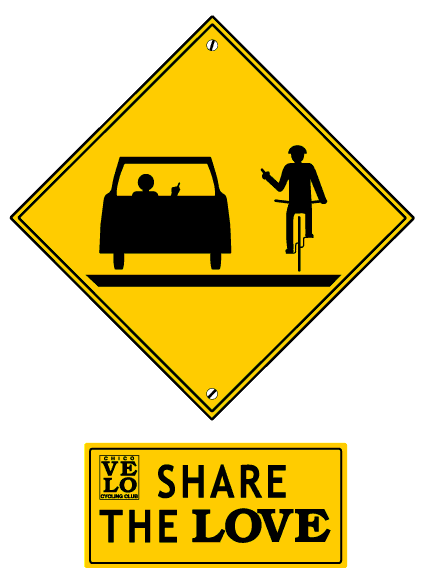
Over the last couple of weeks the Virginia Cycling Association List Server has been flooded with comments, questions, ideas and sometimes just plain nonsense related to the legislation concerning giving cyclist an additional 1 foot of safety.  Currently the mandates motorist pass cyclist giving them at least 2 feet of space.  The bill did not pass and the majority of the cycling community seemed quite upset.  It was referred to as "free safety".  The bill would have made us riders safer and would not have cost the the government anything.

  
It seemed like a no-brainer to pass this law.  However, reportedly according to one legislator, "cyclists are often rule breakers who don't deserve any additional protection".  Therefore, according to him, if you run a stop sign, you deserve to be hit by a car.  It doesn't pass the smell test, but it did create a lot of dialog on the importance of riding within the law.  Let's look at a couple of reasons why all this talk was probably a waste of time.

First of all this discussion occurs at least once a year on cycling list servers everywhere.  Usually it is a result of a cyclist getting hit by a vehicle.  Each time this topic comes up, cyclists are upset and through opinions, ideas, they want to make T-shirts and bumper stickers, call their congressman and get on their high horse and tell the world to respect cyclist because we will save the planet.  Then all is forgotten until the incident sparks the same conversation.

Let's look at the law itself.  Are you any safer if a car gives you 3 feet versus 2 feet?  Since most if not all cyclists are also motorists, can you tell the difference between 2 feet and 3 feet when passing something on the road traveling at 25-65 miles an hour?  Be honest, and the answer is probably no.  Here's another question to ask, how many non-cyclists know that they are even supposed to give cyclists 2 feet?  If you ask most people, I bet the answer you would get would be something along the line of passing "safely" or with "due regard".  Most people would not even know that there is a specific number.  So is it really safer to pass a law that no one knows exist anyway?

Here is my suggestion on how to make cycling on the open roads safer:  Don't ride in a manner that makes people want to hit you.  It is very simple and free.  Here are some examples.


Group rides could present problems.  On any given Weekend, large groups of 30 or more can be found all over the country and city roads of Virginia Beach.  Most of these groups will ride 2 or 3 (maybe more) abreast.  When motorists, trying to get home or to the store attempt to pass these large groups, they may be forced to put themselves or others in danger by using excessive speed and traveling down the wrong lane.  Many cyclists, though motorists themselves, cannot understand why these drivers get so upset at them.  I have heard riders say things along the line of "what is so important that they can't wait behind us", or "we have just as much right to the road as they do".  We may have right to the road, but "Share the Road" goes both ways.  Plus, we should never presume we know the importance of someone's activities.
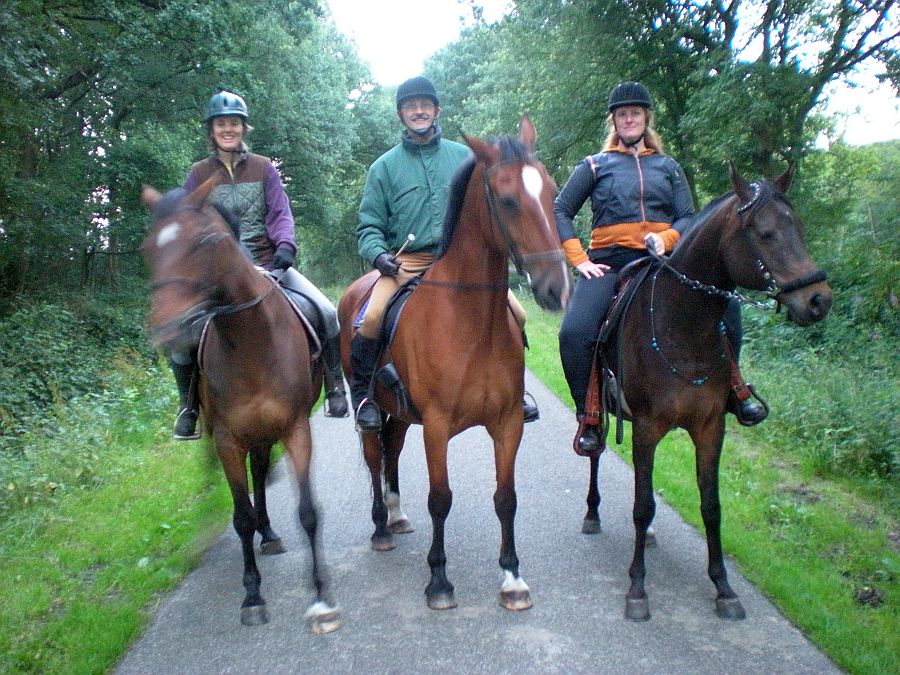
What if you came across a group of horseback riders on the road while you were in your car?  Would you be comfortable passing them?  Would you be tolerant of them slowing you down and disturbing your day?  Be honest with yourself, everyone is in a hurry at times.
Ride in smaller groups.  Limit the number to 7 or 8 riders and always be willing to slow down, single file or do whatever it takes to ensure the cars can safely pass you.  Look and act like you belong on the roads.

The other day, a friend of mine who is not a cyclist was leaving his street on one of those county roads.  The speed limit on this road is 55 mph and is pretty narrow.  There was a car coming down the road to his left.  He was stopped at a stop sign when he noticed the car was going much slower than 55 mph and had her blinker on to turn right onto the street he was leaving.  He pulled out and quickly realized that she was not turning and she had to slam on her brakes to avoid hitting my friend.  He felt really bad and felt even worse when he went around her and notice a cyclist lying on the ground.  The cyclist was motor pacing off of this vehicle.  The driver was probably doing about 25 to 30 mph and the cyclist was following so close that he couldn't be seen around the car.  The blinker that my friend thought he saw was the hazards.

He stopped to check on the rider.  He felt really bad and apologized.  He said he was really sorry and he thought her blinker was on and that she was turning.  The cyclist responded with "That was her hazards you asshole."  Needless to say my friend no longer felt bad.  The cyclist was being careless and did not accept the responsibility for his own decisions.  I'm not saying he should not motor pace, but he needs to understand that he doesn't own the road and that other motorists may dictate what his pacer needs to do, and he needs to be able to react accordingly, or not pace at all.

Remember, just be nice and don't make drivers want to run us off the road.

Saturday, January 22, 2011

Rest Versus Recovery: What's the difference?

Many athletes use the terms "rest" and "recovery" interchangeably.  These two terms, though  have very distinct meanings and are quit different.  Interchanging the terms may be an innocent mistake, but interchanging the concepts could cost you.

Rest can be thought of taking time off.  This rest period involves sleeping, relaxing, reading my blog or watching television.  Heart rate is low, metabolism is low and body temperature is low.  Without sufficient amount of rest you will feel tired, unmotivated, uncoordinated and mentally drained.  You should and probably do rest each and every day.


Recovery involves a low level activity and is vital to any training program.  Cyclist who use power meters are usually encouraged by their coaches to use their meters on their recovery rides to ensure they do not go too hard.  During a recovery ride the other day, a rider I was with said that if he went any slower he felt like he wasn't accomplishing anything.  My answer was your not supposed to accomplish anything on a recovery ride.  What I meant was that you will not gain fitness by training at a recovery level.  Many riders will then ask, if you're not gaining fitness, why do it?  The answer lies in what happens to your body during the hard training days.
When training hard in cycling or any sport, you create microtrauma in all your working muscles.  Along with the trauma your muscles endure, they also are exposed to waste products, high acid levels, and decreased oxygen levels.  After a hard effort, if you stop immediately, your body does not have the ability to flush the bad stuff out and repair the damage.  This is why a proper cool down is so important.  Even with a proper cool down, you body still has work to do many hours to a couple of days later.  While it may seem like pure rest is the answer, doing nothing can hinder the recovery process.

Recovery training at a low level will increase circulation, elevate body temperature and increase sweating and respiration.  This slight increase above normal will help the body flush excessive waste from the muscle, improve blood flow to help with trauma repair and ensure proper nutrition is being delivered.  Be careful though, too hard or too long will irritate sore muscles and stiff joints or stress metabolism and create unneeded strain.
It may be difficult sometimes to decide which one is best.  You need your rest.  If you are physically tired and mentally drained, no amount of recovery training is going to benefit you.  If you need to recover from a race weekend or a hard training bout, than using active recovery will speed the process along and allow you to train hard again the next day.


In summary, get your rest and remember it is alright to go for an easy ride.


Friday, January 14, 2011

Training While Sick: Should I or Not?

What athlete has not asked this question?  What cyclist has not heard the philosophy of "train if the illness if above the neck and rest if its below"?  Sometimes its easy to make the decision, like when its 19 degrees and raining.  However, can and should cyclist rest when fighting even a mild sickness?

Let's think about mild head colds.  The reason for this is that I believe most athletes would rest if faced with a fever, flu or symptoms extreme enough to really force them to bed.  When you think about the start of a head cold, you are really just talking about a little congestion, sore throat maybe from nasal drainage, sinus pressure, headache and slight fatigue.  Not enough to really keep you off the bike, but maybe it should be.

At the beginning signs of an illness, we do a lot of things to try and combat it.  Extra Vitamin C, maybe some zinc or the now so common cold protectors like "Airborne" and EmergenC".  We probably also go into a mode of hydrating ourselves beyond normal range and rest when we can.  What if we have a hard ride to do though?  Or what if you are on the final week of a base building program and you have to hit the numbers on your training program?

Here is the bottom line:  Exercising in the early stages of an illness increases the chances of it progressing.  Exercising in the later stages when you just have lingering effects (usually above the neck) can help relieve those symptoms.  Besides, can you give your training the full effort when fighting a sickness.  It is advised to shift your training slightly, maybe take an early rest week or put off the last week of base training.  Its better to rest now and be able to give your training full effort in a few days then to try and push through and extend your sickness by a few weeks.

That being said, can I take my own advice.  This little head cold is not bad.  I think I could fight it quickly so it feels odd to stay off the bike because of it.  However, I know that my interval training would not be up to par and my long rides outside would compromise my immune system.

Looks like I will be shifting my training slightly.

Stay healthy.

Monday, January 10, 2011

A Look Back at Cycling Trends That Went Main Stream and Why We Hope They Don't Continue

I was thinking the other day on how cycling and cycling styles suddenly become trendy in America.  The trend doesn't seem to last very long and really doesn't usually correspond to an increase in cycling interest.  Here are a few examples:

Cycling hats:

Used in place of helmets "back in the day", cycling hats were as normal part of a team uniform as gloves and socks.  Today you can still find many of these hats still in the style of the old teams.  This craze, for whatever reason, took off main stream.  These hats were ugly enough that cyclist probably questioned why they should wear them.  Then they became popular everywhere.


They were even popular in movies.

As a cyclist walking around seeing everyday Joes wearing a hat saying "Colnago" was quite confusing.  You may have thought that was a perfect person to have an in dept conversation with about who looked good in this year's Tour.  Half way through your opening statements you probably realized you had made a mistake and simply wanted to get away without telling him his hat looked stupid.
Cycling Shorts:

AKA--Biker or Bike Shorts.  These became trendy in the 90s.  I guess they are pretty comfortable to wear to the gym, aerobics, running and of course on the bike.  Any pair of shorts that are comfortable doing those activities should be made into denim and used everywhere.


Everywhere they were.  Don't get me wrong, I was a young cyclist in the 90s and I fell to this fashion flaw.  My brother and I both blamed my parents who were simply going with the trend.  As my mom would say "Speedo doesn't make gay wear, they make athletic wear."  That is true, but fashion wear it is not.  Anyone caught wearing these shorts to soccer practice was referred to as a "ball hogger" for the day.

For every hot girl in the gym wearing these shorts there were 5 old hairy fat men also wearing these shorts.  Not worth the trade.  Cycling shorts should be reserved for cycling and maybe for a little extra chamois time once off the bike (preferably not in the mall though).

Roof Top Bike Racks:

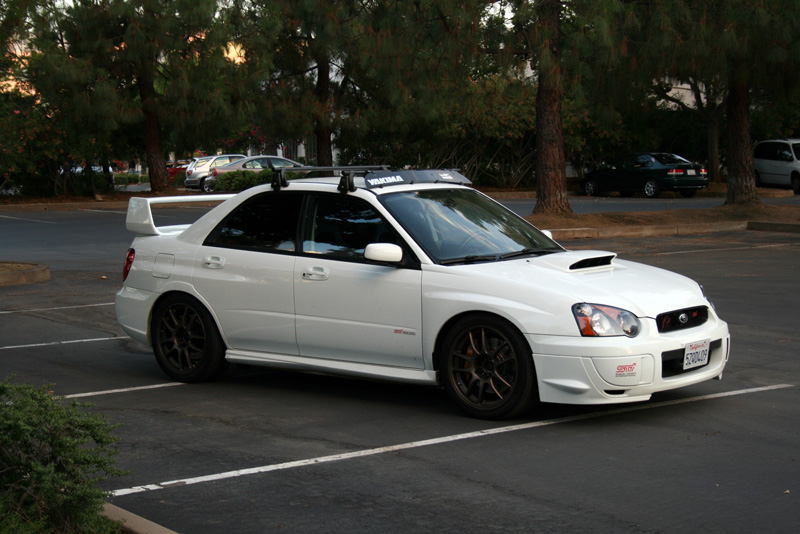
This trend peeked probably 10 years ago.  This is when hoopties or ghetto rides would put Yakima or Thule racks on their cars for style only.  I worked in a bike shop at this time and over half of our roof top bike racks sold would never see a bike.  They would actually, at times come in pairs so they could split the system with someone.  All they really wanted was the front bar, the fairing and maybe a wheel fork to stick straight up.


They are usually easily recognized by the lack of accessories.  In one case I have even seen a bike mount sawed off to about a foot and half long to that is would fit on top of a pick-up truck.  

The big reason I was happy to see this trend go away was because of the value of racks on the black market.  Even locked racks weren't safe, it usually meant more damage to your vehicle.  I personally had 1 set stolen and one attempted. 

Roof top racks should be left to the athletes.  Cyclists, water sports and skiers have the right and need to drive around town with the racks as a permanent fixture.  They usually even buy cars with the idea of "will a rack fit?"  These racks should not have ever gone main stream and I am glad to see the trend die.

What will be the next cycling trend to go main steam?  Jerseys, helmets, gloves all worn as fashion?  We'll just have to wait and see.


Monday, January 3, 2011

My 2011 Product Wish List

I sat down today thinking what can I buy for my bike in 2011?  Of course I have a dream wish list which may consist of a new TT bike or even a track bike.  However, I was really wanting to put a list together of items that I will probably actually be able to buy for the 2011 racing season.  Here is my list in no particular order:

New Helmet:
Rudy Project Sterling Helmet in colors that really match my team's look.
New Sunglasses:

Rudy Project Noyz Fluo.  I haven't decided for sure on this style or color, but it would match the helmet.

iBike Upgrade:
I have the Gen I iBike and would really like to upgrade it to the Gen III.
iBike Wireless Speed/Cadence and HR mount:
My iBike is wired to the front wheel.  Also my Polar HR monitor just gave out on me finally.  So this option will give me a lot more data in a lot less handlebar space.
New Shoes:

Gaerne Carbon G. Myst Road Shoe.  I have this brand of shoe and really like it, just time for a new pair.
New CX Shoes:

Gaerne G. Inka shoes.  My old shoes fell apart this cross season.  This purchase is a must, but could probably wait till the fall.
I'm sure other items will come up, but these are the ones on my radar for now.


Wednesday, December 8, 2010

The Pre-Season Report: Building Up to Spring

Its December already.  This time of year is always fun to hear people argue about the best way to prepare for next racing season.  It seems like it was not that long ago that amateur racers took an "off season".  I remember as a junior racer starting my pre-season training on January 1st.  From September to the end of December I would hardly touch the bike.  Even when I lived in Hawaii.  I would run and do other activities to keep my fitness, but not train on the bike.  Now that training seems to be more specialized, seasons are longer and competition is more serious if your not training all year around, you will probably lose.


There always seems to be discussion on how to train through the winter. 

Idea 1:  You race hard, why not train hard.  All year around training should be at a high intensity.  The thought and rational behind no slow distance, endurance base miles is that if you didn't take an extended "off season"  what do you have to build up.  Why lose high level of fitness just to have to work to get it back?

Idea 2:  Winter is the time to tread along slowly to build the base miles.  The rational behind this is that your body can't maintain the high intensity training all year around with going into a state of over training.  Plus, like most things in nature, if you allow that higher level to drop slightly, you will be able to build it back at a higher level. Winter is the time to think about time on the bike.

Which one do you go for?

As for me and my clients, we have a mixture.  Base miles have a real benefit to get you ready for higher intensity training.  When it is cold out and there is long time before your next race, keeping the same interval style, threshold training is tough to do and could easily lead to burnout or over training.  By allowing that part of your fitness to drop slightly and build on pure aerobic conditioning, you will prepare your body for an those hard intervals later.

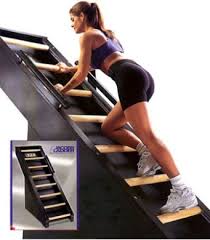
That being said, base miles are not the end all.  We work on high intensity training a couple times a week.  The difference is that this training is in a controlled environment.  Cross training on the Versa Climber and Jacob's Ladder will help you not to lose as much of your anaerobic fitness or threshold level.  It is controlled, different so you don't over train, and just plain painful.

Its important to periodize you training for the time of year or goals you are attempting to reach.  This type of pre-season training allows us to work hard while still building that important aerobic base.

Wednesday, December 1, 2010

Free Junior's Road Skills Developmentat Clinic


THE VIRGINIA BEACH WHEELMEN

Presents:


JUNIOR’S SKILLS CLINIC

JANUARY 9, 2011
9:30am – 12:30pm

Grassfield Ruritan Club
845 Shillelagh Rd
Chesapeake, VA 23323-6506


USAC Permit Pending

The JUNIOR’S SKILLS CLINIC is offered for FREE to any rider age 10-18*.
Learn and build:
·      Bike handling skills
·      Balance and bumping
·      Confidence
·      Cornering
·      Rules and racing etiquette

**SPACE IS LIMITED TO 30 RIDERS**

PRE-REGISTATION IS REQUIRED ON BikeReg

Registration will close on December 26, 2010

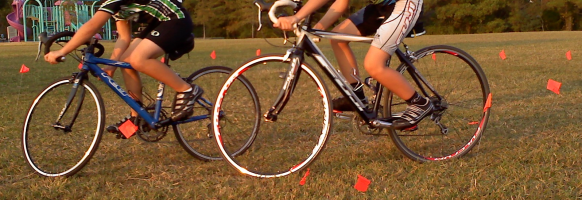
This Skills Clinic is open to any Junior Racer whose 2011 racing age is 10-18.  It is open to all bike types including road, cyclocross, mountain or BMX.  The skills will focus on road racing but the clinic will be held in a grass field.  Road or cyclocross bikes with clipless pedals are encouraged but all types are welcomed (no handlebar attachments, including aero bars and mountain  bike bar ends).  Helmets are required.  A USAC racing license is required. One-day and seasonal licenses will be available for purchase at registration.  All USAC rules apply.

STAY AND RIDE THE PLT MEMORIAL RIDE LEAVING FROM THE RUITAN CLUB AT 1PM

QUESTIONS: Contact Joshua Goyet @ (757) 515-5940. vbwheelmen@cox.net
Clinic may be canceled due to rain/snow.  All participants will be notified if canceled.